2026-09-03 · Chris Morales
Budgeting For Ongoing Pest Monitoring In Rural Settings
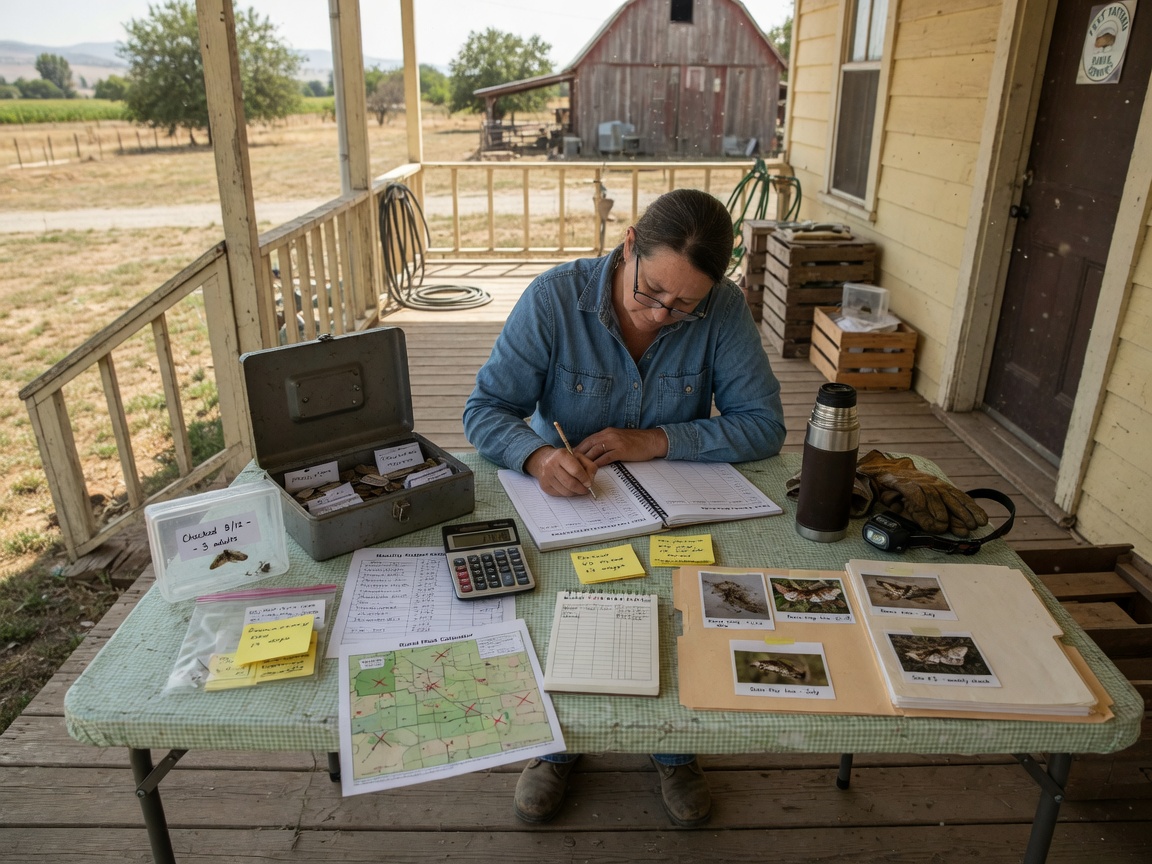
Ongoing pest monitoring in rural Galt settings typically runs $300–$800 per year for most single-family properties on one to three acres. This range covers quarterly inspections, bait stations, and basic exclusion work that keeps rodents and gophers from establishing inside homes and outbuildings. Costs rise when properties sit next to open fields or irrigation canals common in North Galt and the Twin Cities area.
Local Pest Pressures That Drive Monitoring Costs
Galt sits in Sacramento County where cool wet winters push rodents indoors once temperatures drop and food sources outside shrink. Properties near Historic Galt Depot or Marian Park often have older foundations and crawl spaces that give mice and rats easy access. Hot dry summers then drive gophers to expand tunnels in search of moisture, damaging lawns and irrigation lines. These predictable cycles mean monitoring visits must increase from two in summer to four between October and March. Without that adjustment, one wet season can lead to repeated interior sightings that cost far more to correct later.
Breaking Down Annual Monitoring Expenses
A basic quarterly program starts at $75 per visit for inspection and exterior bait placement. Add $150–$250 for initial rodent entry-point sealing around foundations and $100–$200 for gopher probe-and-bait work on larger lots. Over twelve months this totals roughly $450 for a typical rural parcel. Homeowners who skip the winter increase often face $1,200–$2,000 in corrective treatments the following spring. Tracking these line items separately helps set aside funds before the cool season arrives.
Seasonal Adjustments for Galt Weather Patterns
Winter rains soften soil and increase rodent movement toward structures in Downtown Galt and surrounding rural edges. Monitoring plans should budget for an extra November and February visit during these months. In contrast, summer drought reduces above-ground activity, so two inspections spaced six weeks apart usually suffice. Properties bordering Elk Grove or Lodi farmland see earlier gopher surges in late summer as crops are harvested, requiring one additional mound check in August. Adjusting visit frequency to these local patterns keeps the yearly total predictable rather than reactive.
Pairing Monitoring with Targeted Follow-Up Services
When monitoring reveals active rodent trails, a rodent control visit can be scheduled without resetting the entire budget. Similarly, fresh gopher mounds noted during summer checks are handled through gopher control at a flat per-mound rate rather than a new contract. Homeowners who read How To Identify Rodent Entry Points Around Foundations before the first inspection often catch issues early and reduce the number of paid follow-ups needed. Keeping these services separate from the base monitoring fee prevents surprise line items on the annual total.
Building a Practical Yearly Budget
Set aside $400 for the core four-visit monitoring schedule and another $150–$300 for seasonal add-ons such as extra winter sealing or summer gopher work. This approach matches the actual conditions found on rural parcels near Stockton and Lodi. Owners who maintain records of each visit can forecast the next year’s needs more accurately and avoid both under- and over-spending. Alpha Omega Integrated Pest Management operates Monday through Friday from 7am to 5pm and provides itemized quotes before any work begins.