
Blog
Tips & local guides
2026-10-28
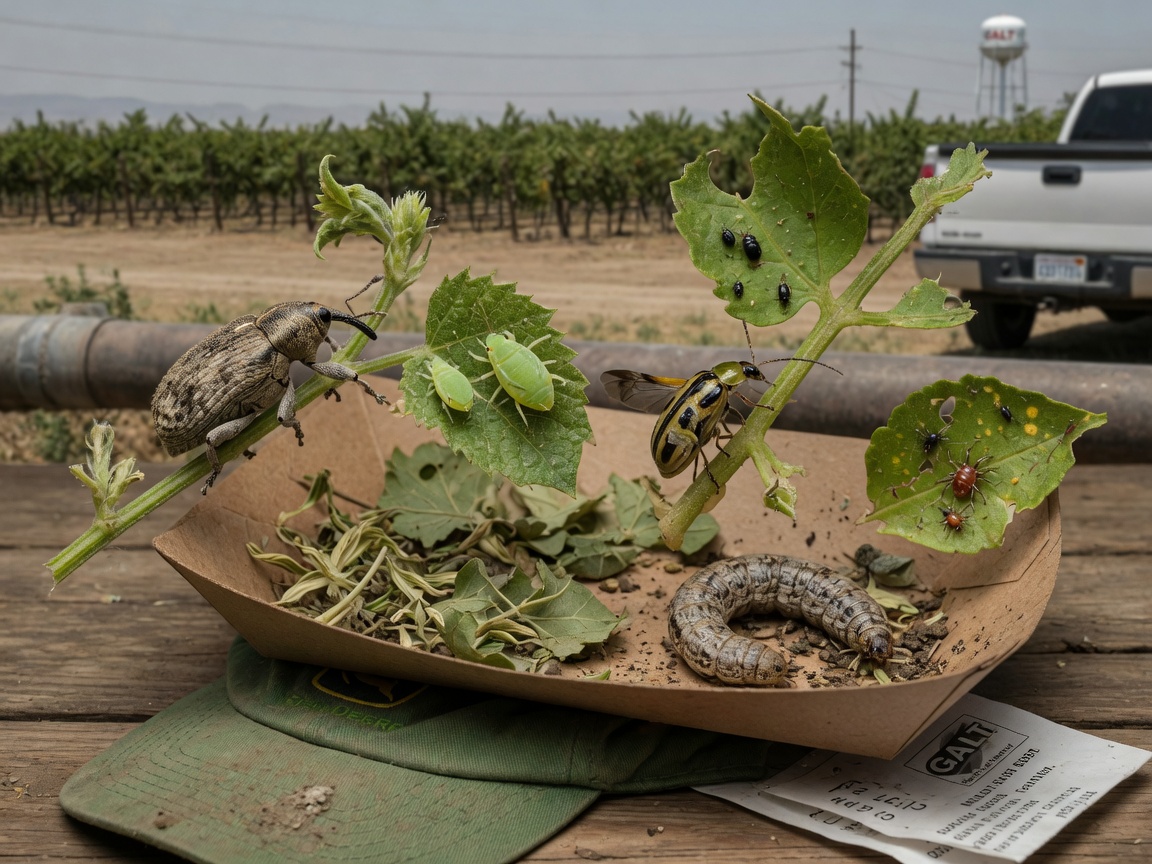
Common Pests Found In Galt Agricultural Areas
Galt's farm edges near Downtown Galt and North Galt see steady pressure from rodents, gophers, and ants. Local weather and soil conditions drive when and where these pests show up most.
2026-10-28
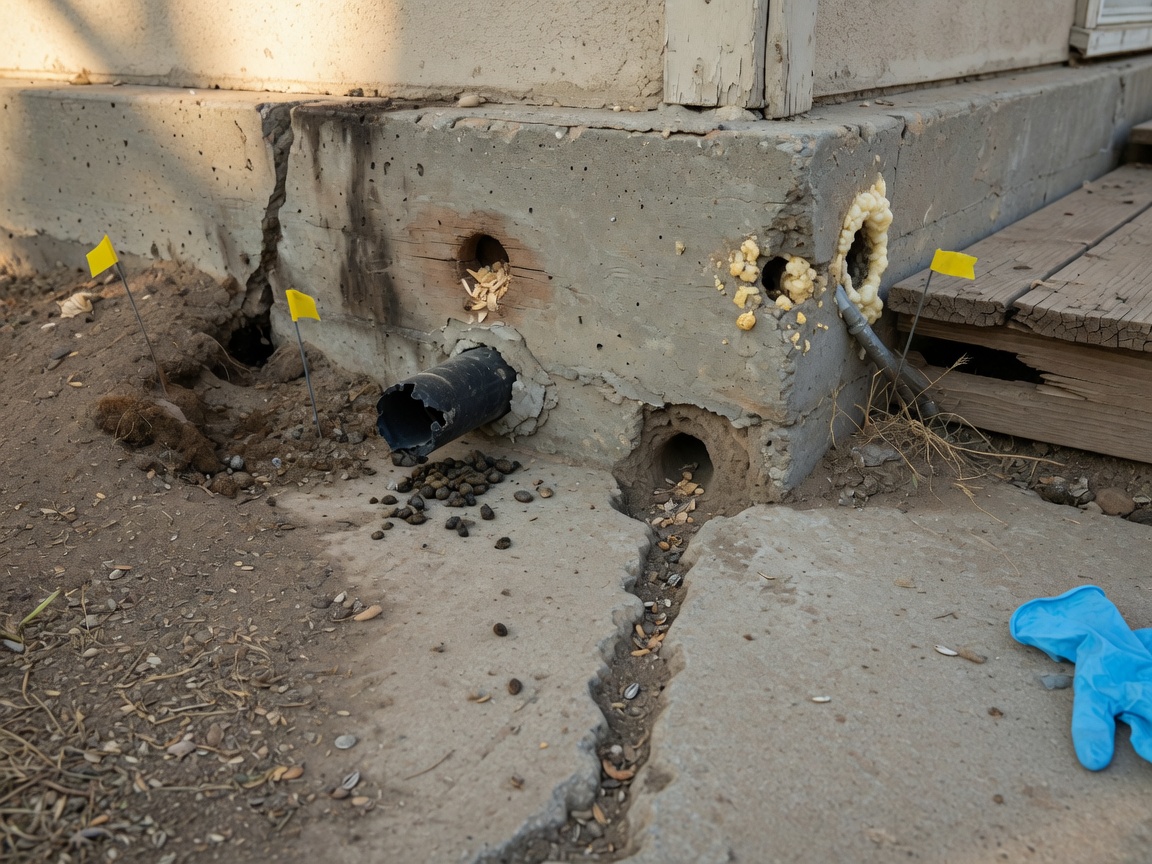
How To Identify Rodent Entry Points Around Foundations
Rodents in Galt homes often enter through openings as small as 1/4 inch near foundations. Local weather patterns and housing stock shape where and when these gaps appear most often.
2026-10-28
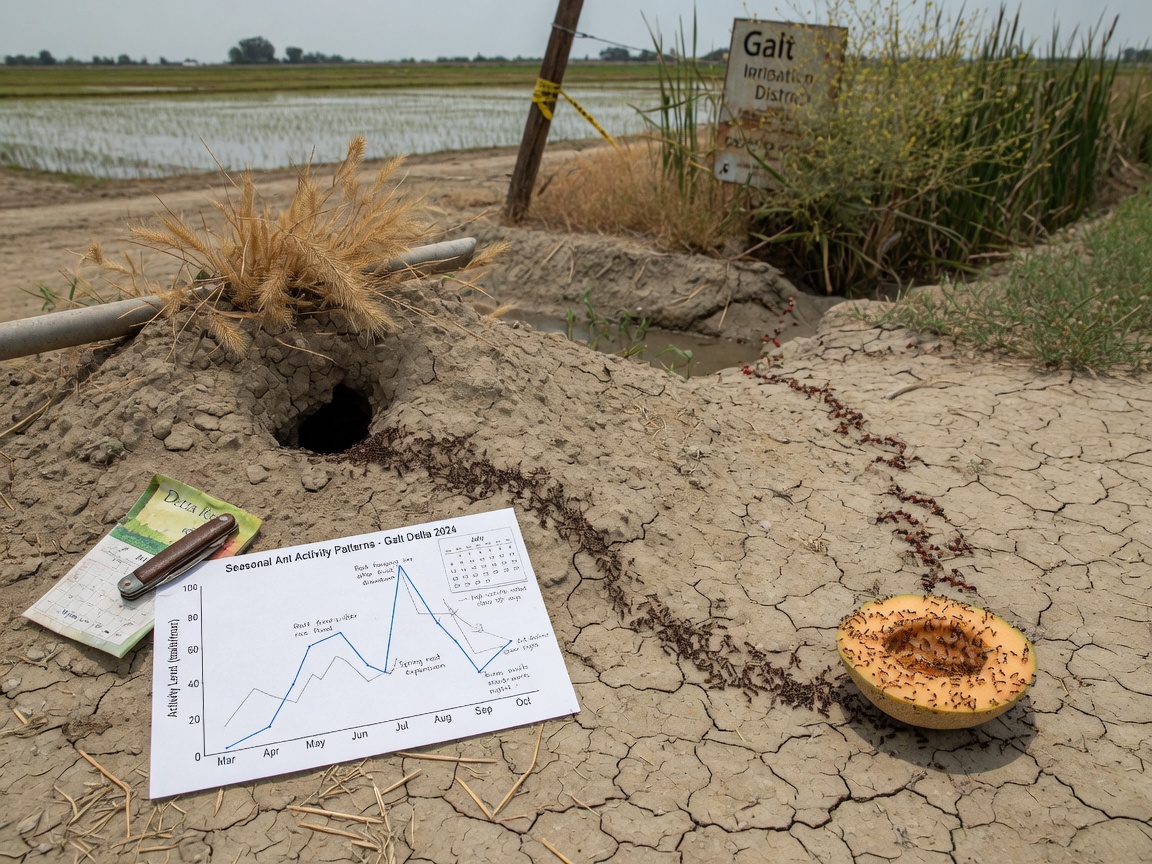
Seasonal Ant Activity Patterns In The Delta Region
Ant colonies in the Delta Region around Galt expand rapidly in hot dry summers before seeking shelter during cool wet winters, altering entry points into homes in neighborhoods like Downtown Galt and Twin Cities.
2026-10-28
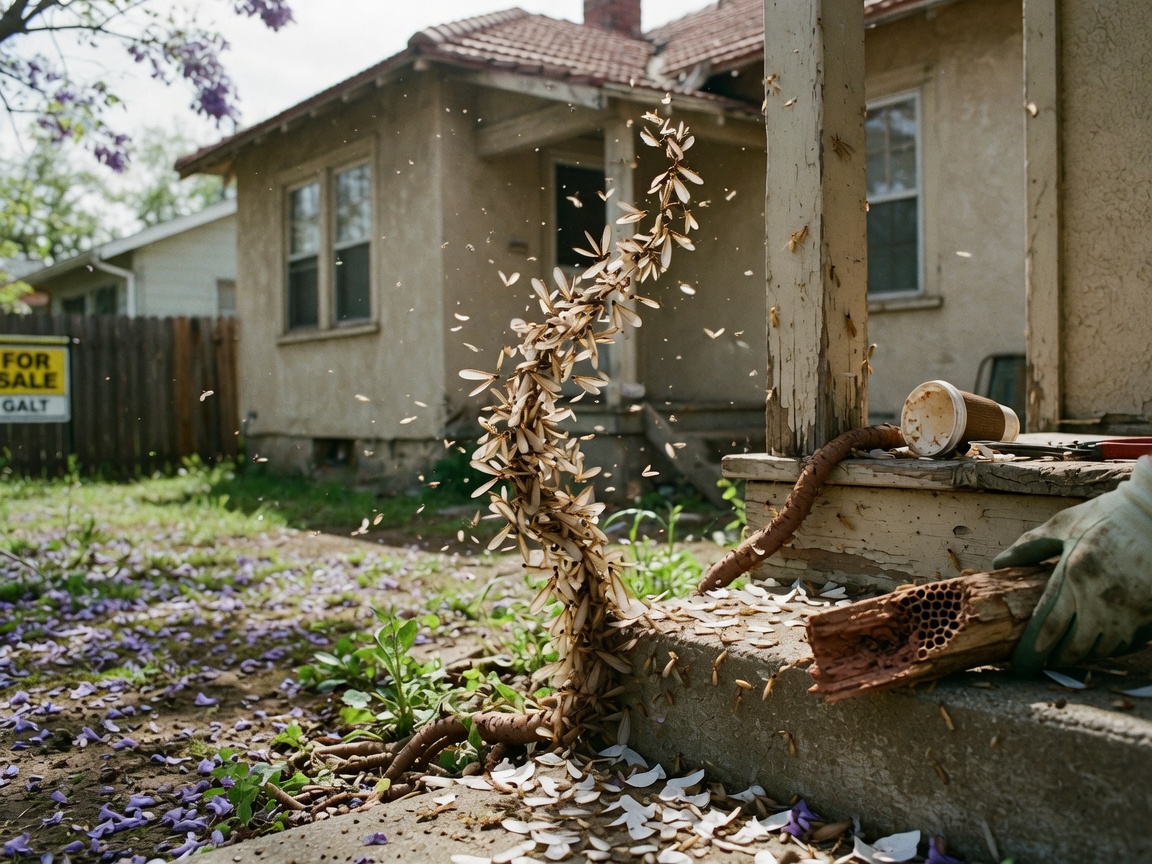
What Homeowners Should Know About Termite Swarms In Spring
Termite swarms appear in Galt each spring once cool wet winters give way to warming temperatures. Homeowners in Downtown Galt and North Galt should watch for these flights around older wood-frame homes.
2026-10-28
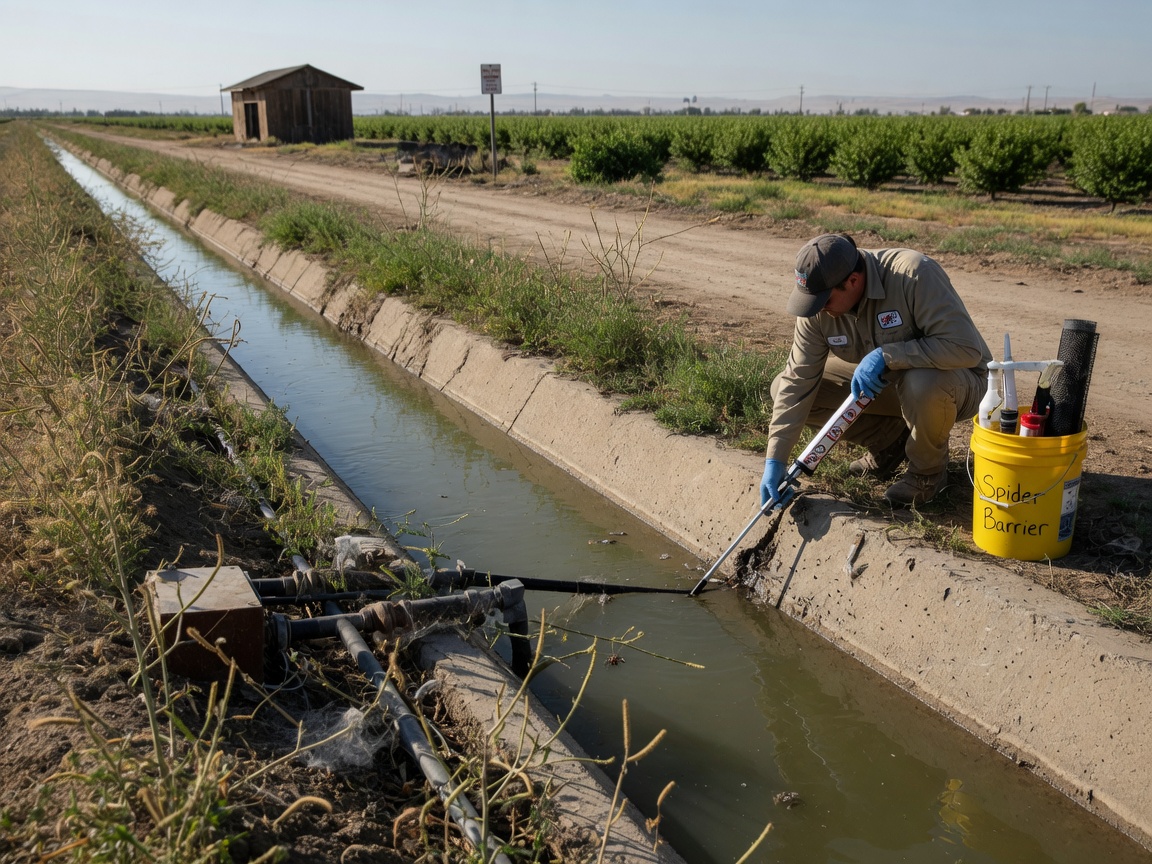
Preventing Spider Issues Near Irrigation Ditches
Irrigation ditches in Galt draw spiders seeking moisture during hot dry summers. Targeted prevention around foundations and vegetation keeps populations down without relying on constant spraying.
2026-10-28
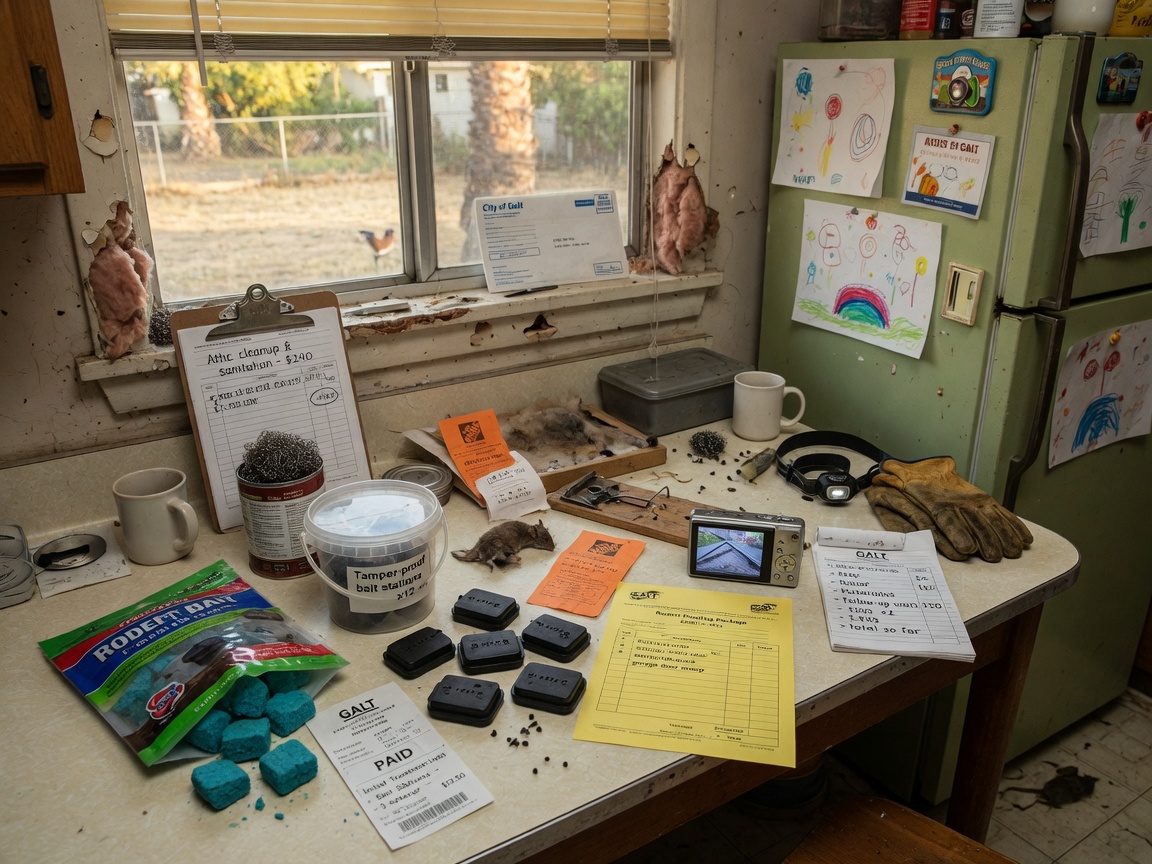
Cost Factors For Rodent Control In Galt Homes
Rodent control pricing in Galt varies based on home age, entry points, and seasonal pressure from cool wet winters. Local factors in neighborhoods like North Galt and Downtown Galt shape the total investment.
2026-10-28
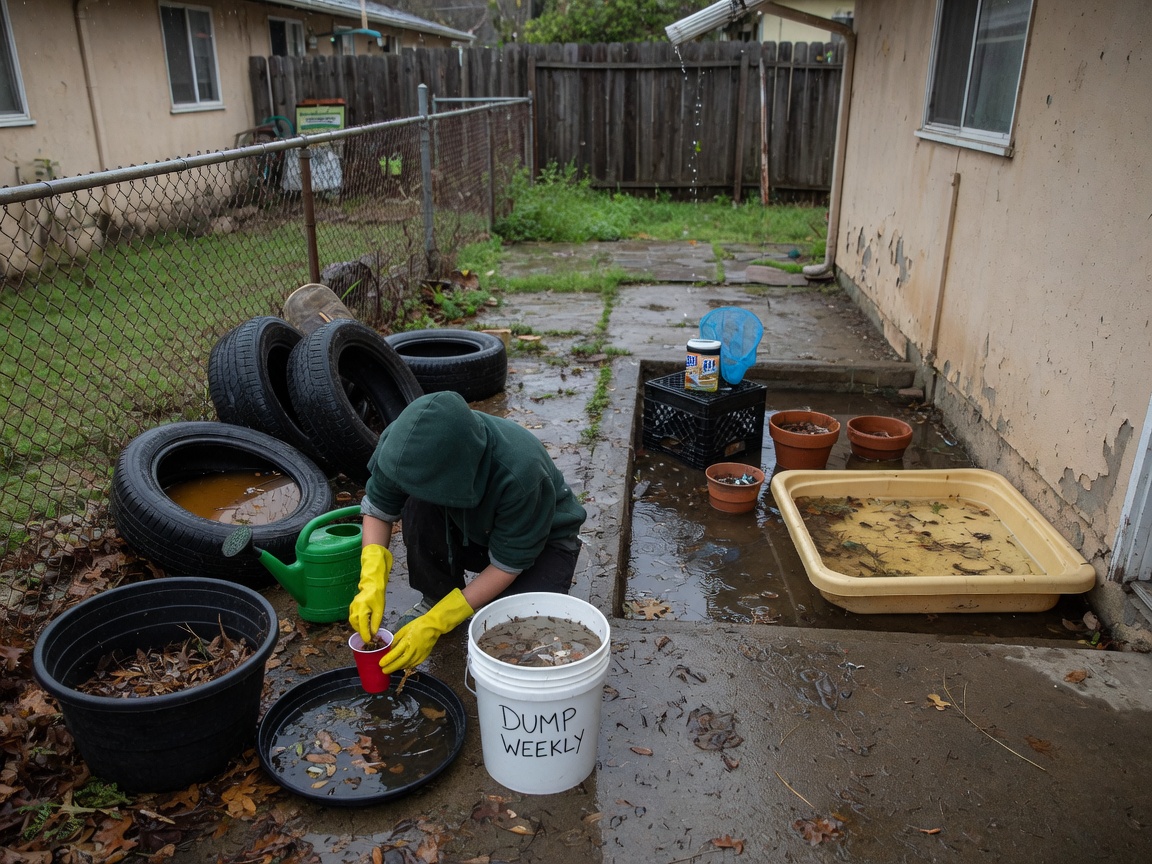
How To Handle Mosquito Breeding Sites After Winter Rain
Galt homeowners can reduce mosquito populations by targeting standing water created during winter rains in Sacramento County. Focus on common spots around older properties and local parks.
2026-10-28
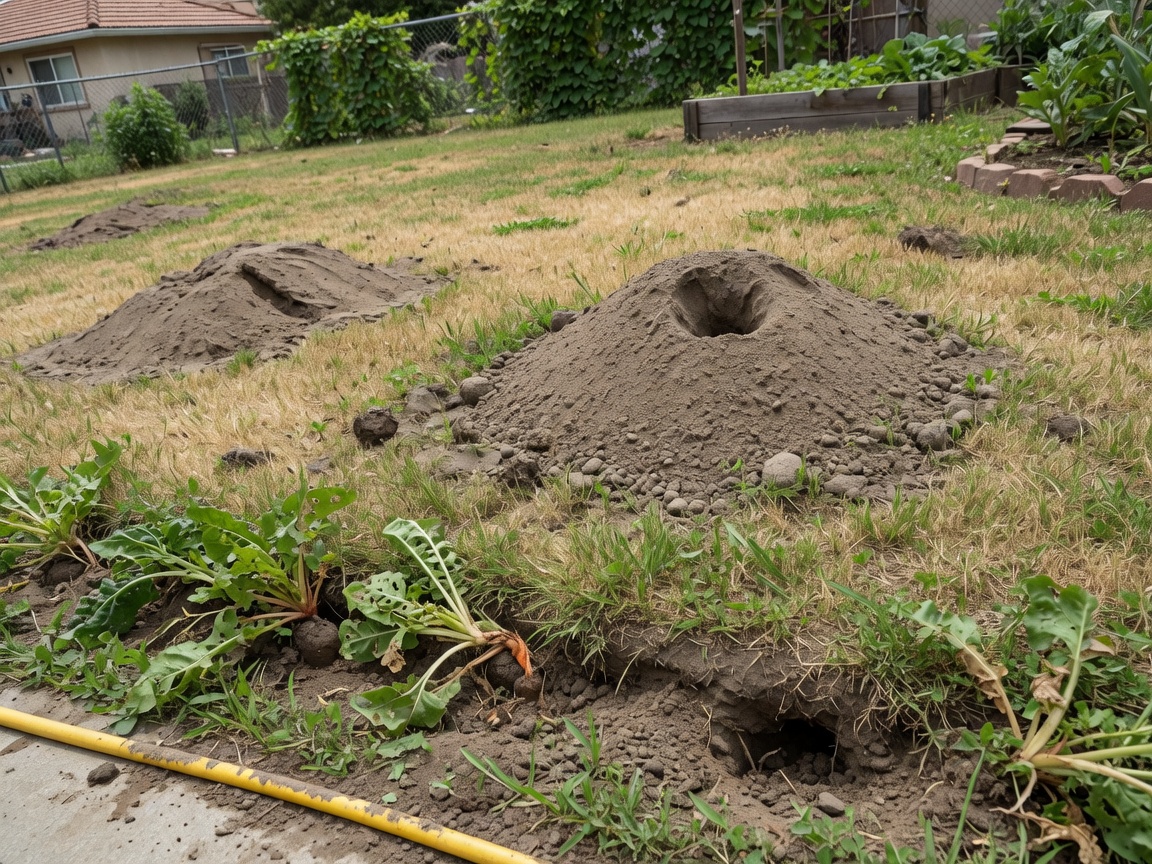
Signs Of Gopher Activity In Local Lawns And Gardens
Gophers leave distinctive crescent mounds and clipped roots in Galt yards. Spotting these early prevents major lawn loss in neighborhoods from Downtown Galt to North Galt.
2026-10-28
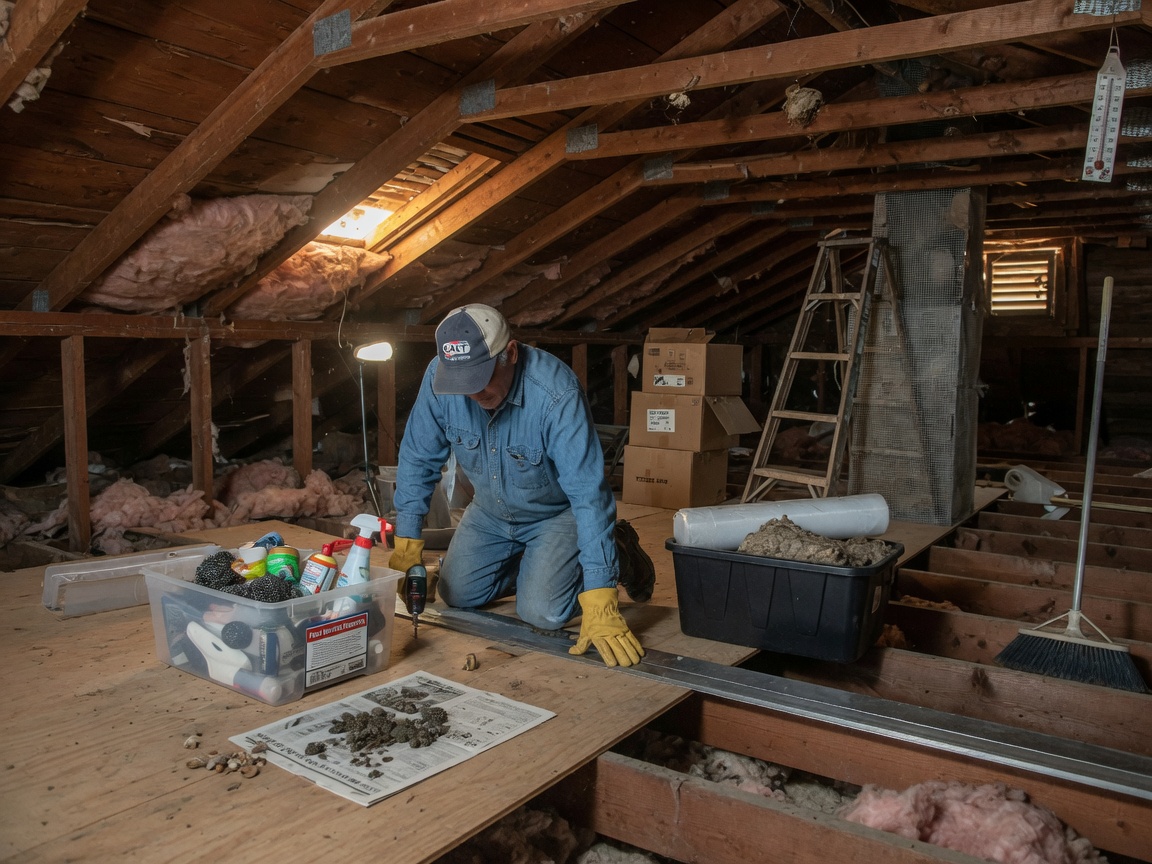
Preparing Attics For Cooler Months In The Central Valley
Homeowners in Galt can reduce attic pest problems by focusing on exclusion before temperatures drop. Local housing stock and seasonal patterns drive the timing and methods that work best here.
2026-10-28
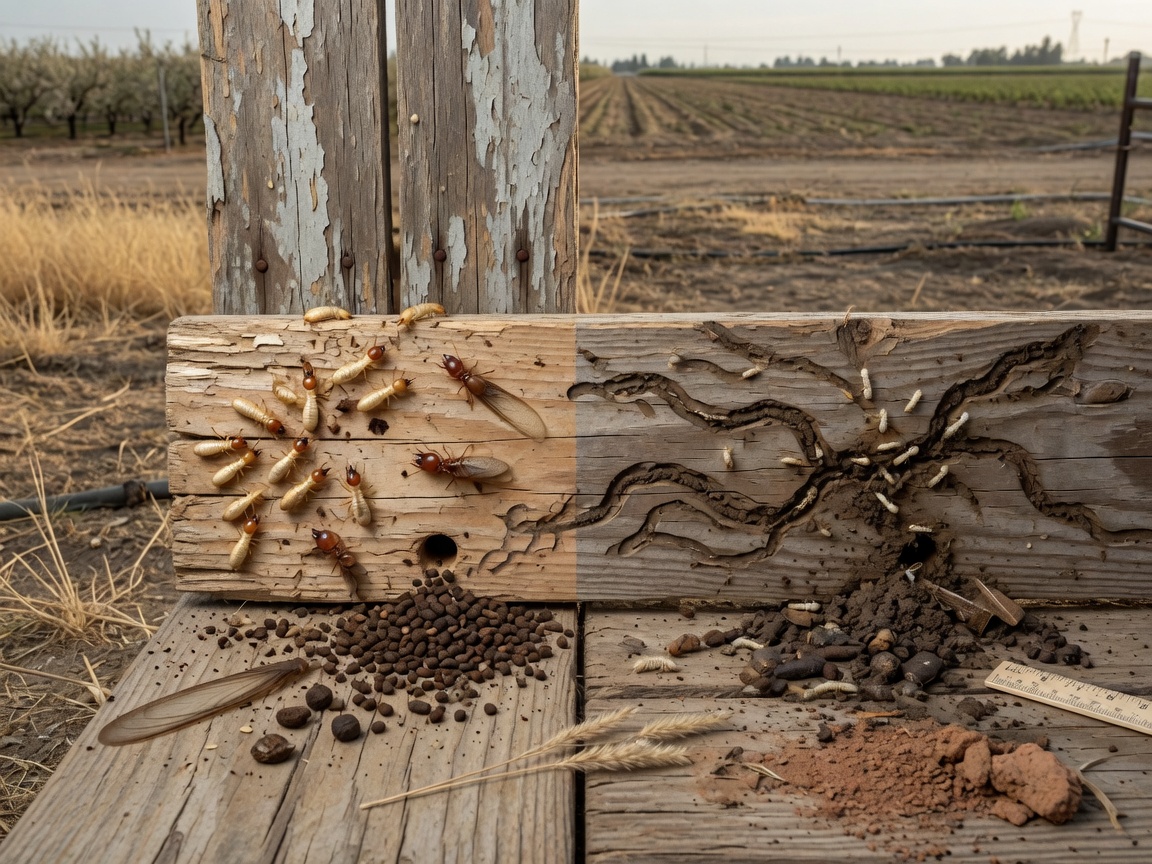
Differences Between Drywood And Subterranean Termites Near Galt
Drywood termites thrive in drier wood while subterranean termites need soil moisture; Galt's wet winters and older homes create distinct risks for each.
2026-10-28
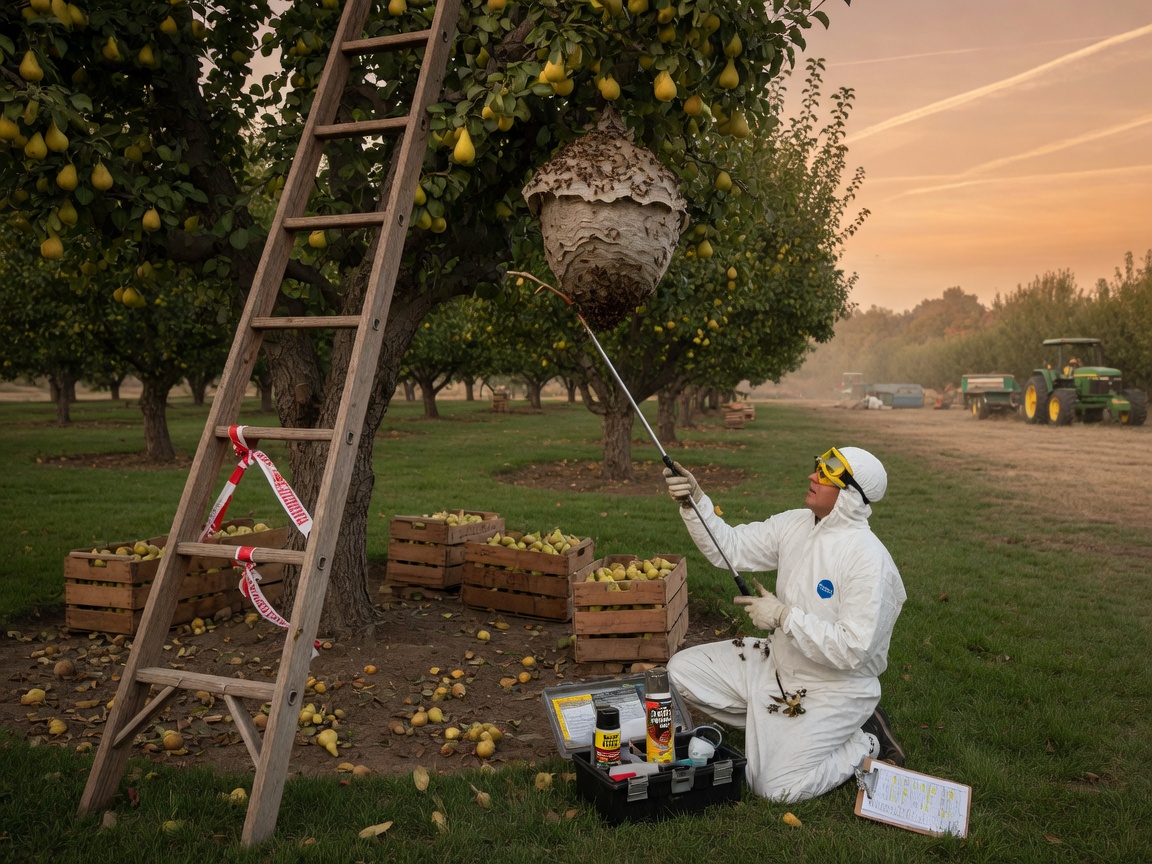
Managing Yellowjacket Nests During Late Summer Harvest Season
Yellowjacket nests in Galt reach peak activity in late summer as hot dry conditions push colonies to forage on ripening fruit. Property owners in Downtown Galt and North Galt can reduce encounters by targeting ground and building nests before harvest peaks.
2026-10-28
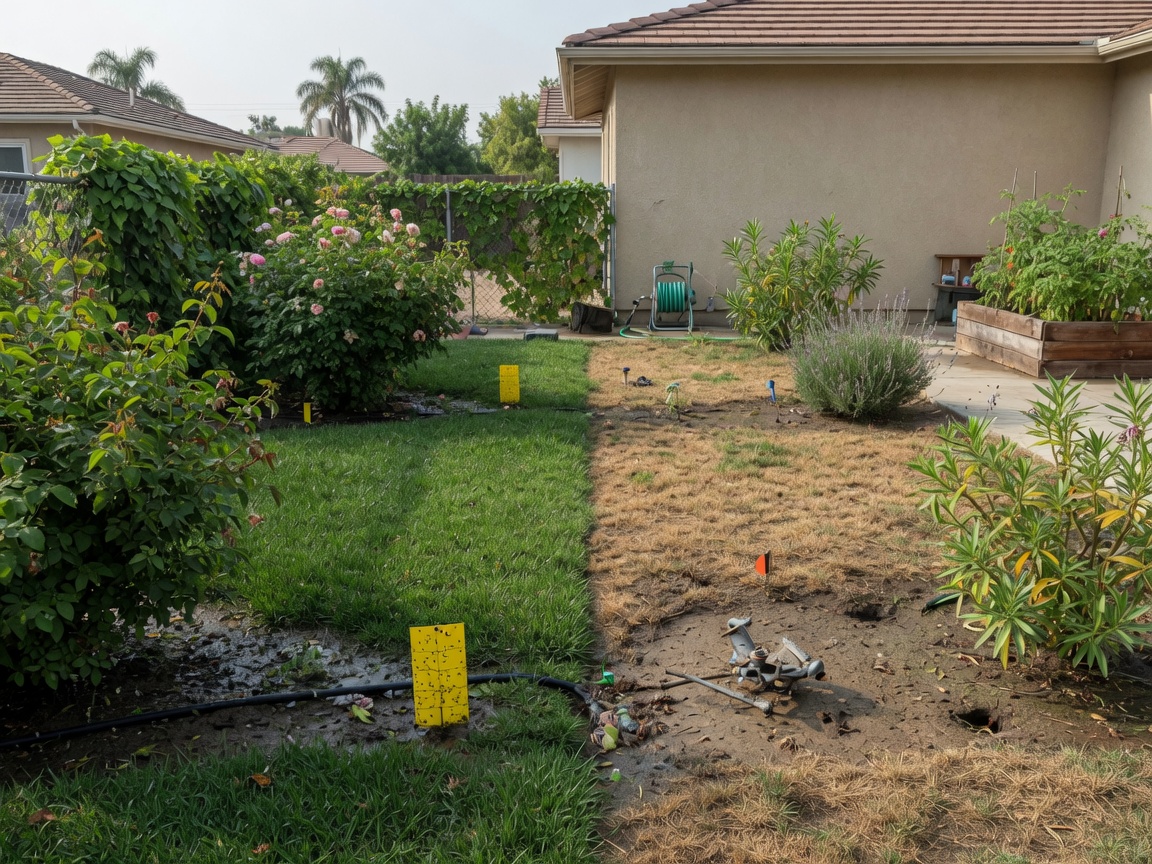
How Irrigation Practices Influence Pest Pressure On Properties
Irrigation habits in Galt directly shape pest activity by creating or removing the moisture that draws rodents, mosquitoes, and other insects to foundations and yards.
2026-10-28
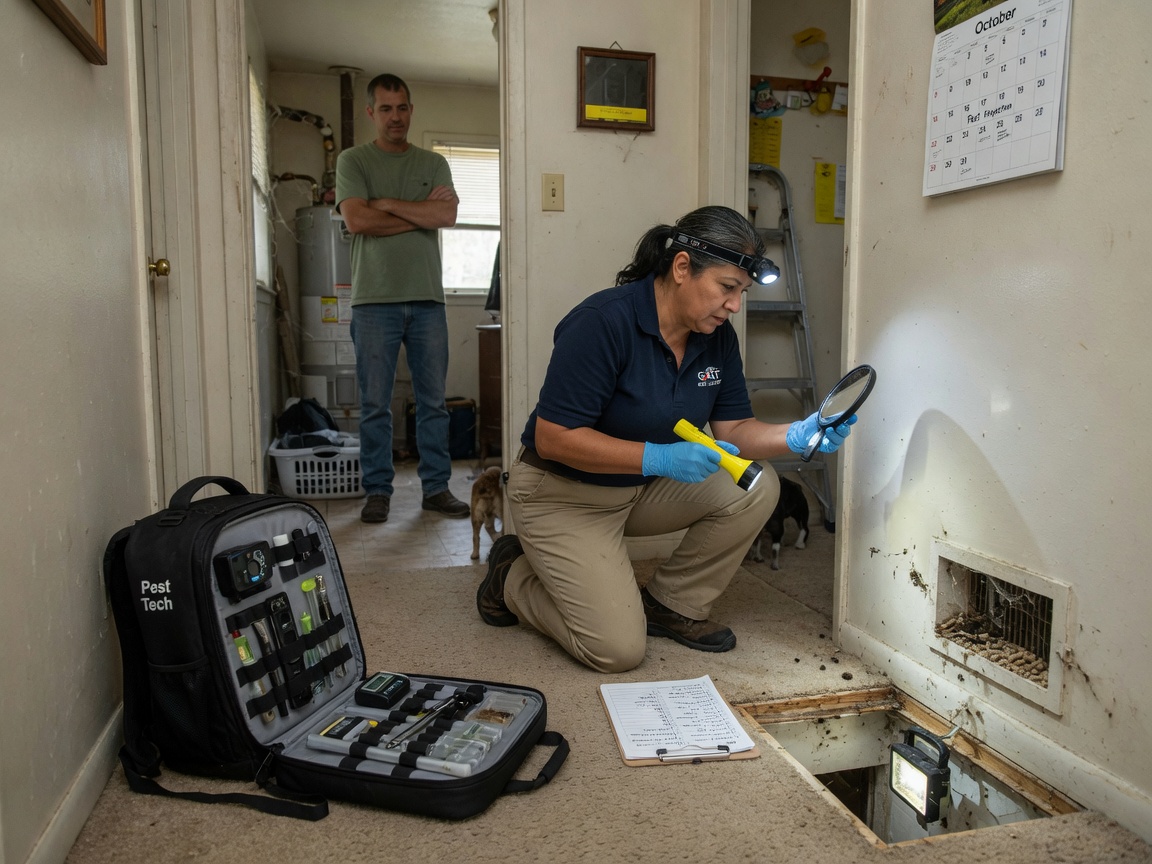
What To Expect During A Typical Home Pest Inspection
A standard home pest inspection in Galt takes 45 to 90 minutes and focuses on entry points, moisture issues, and signs of activity in areas like Downtown Galt and North Galt.
2026-10-28
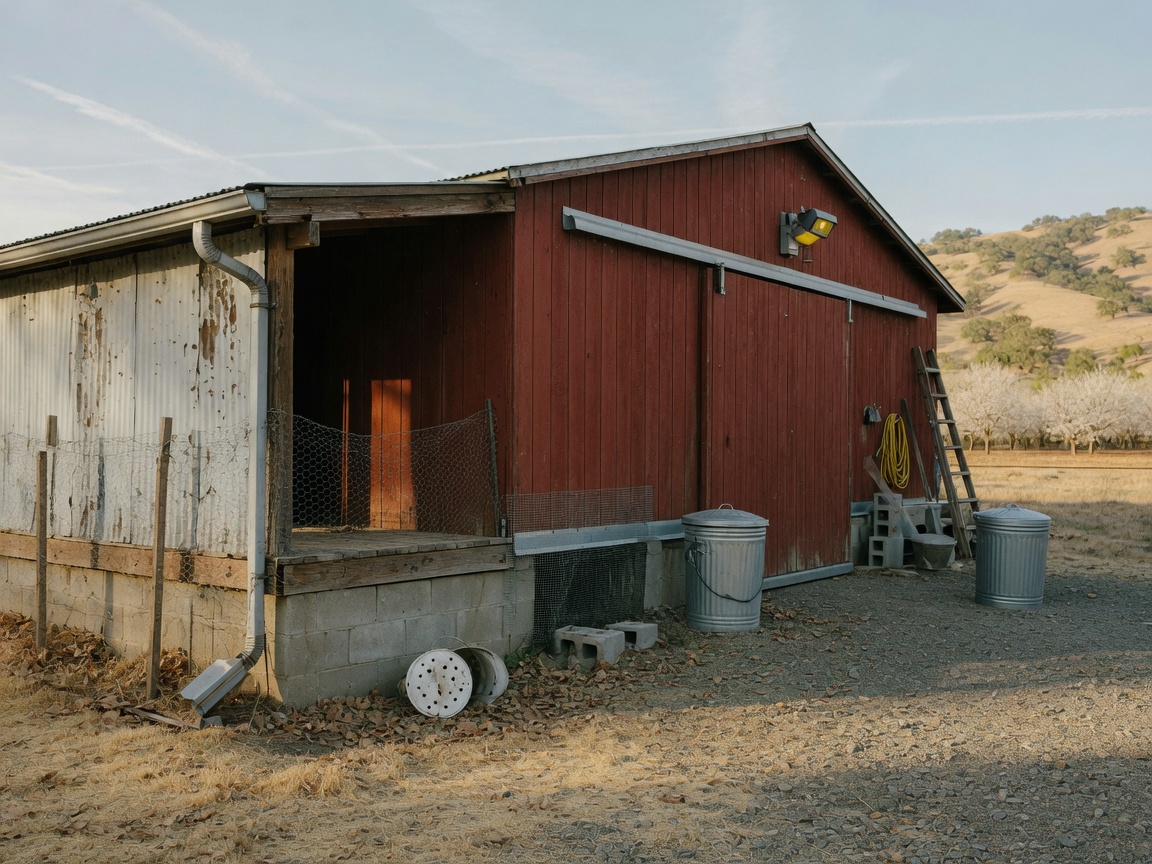
Reducing Wildlife Access Around Outbuildings And Barns
Galt property owners can limit raccoons, rodents, and other wildlife from entering barns by focusing on structural gaps and surrounding vegetation. These methods address the hot dry summers and cool wet winters typical in Sacramento County.
2026-10-28
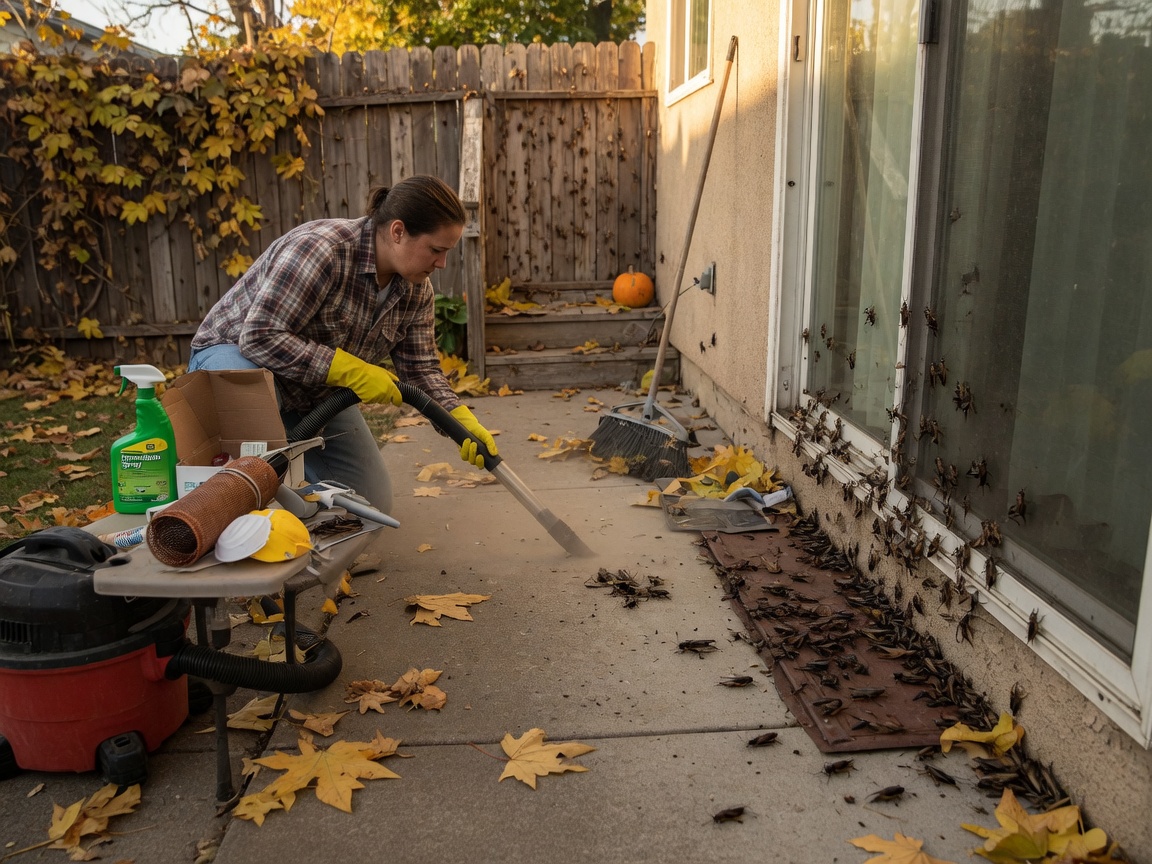
Handling Seasonal Cricket Invasions In Fall
Field crickets move indoors as temperatures drop in Galt each fall. Focus on sealing gaps and reducing moisture to stop them before they reach kitchens and basements.
2026-10-28
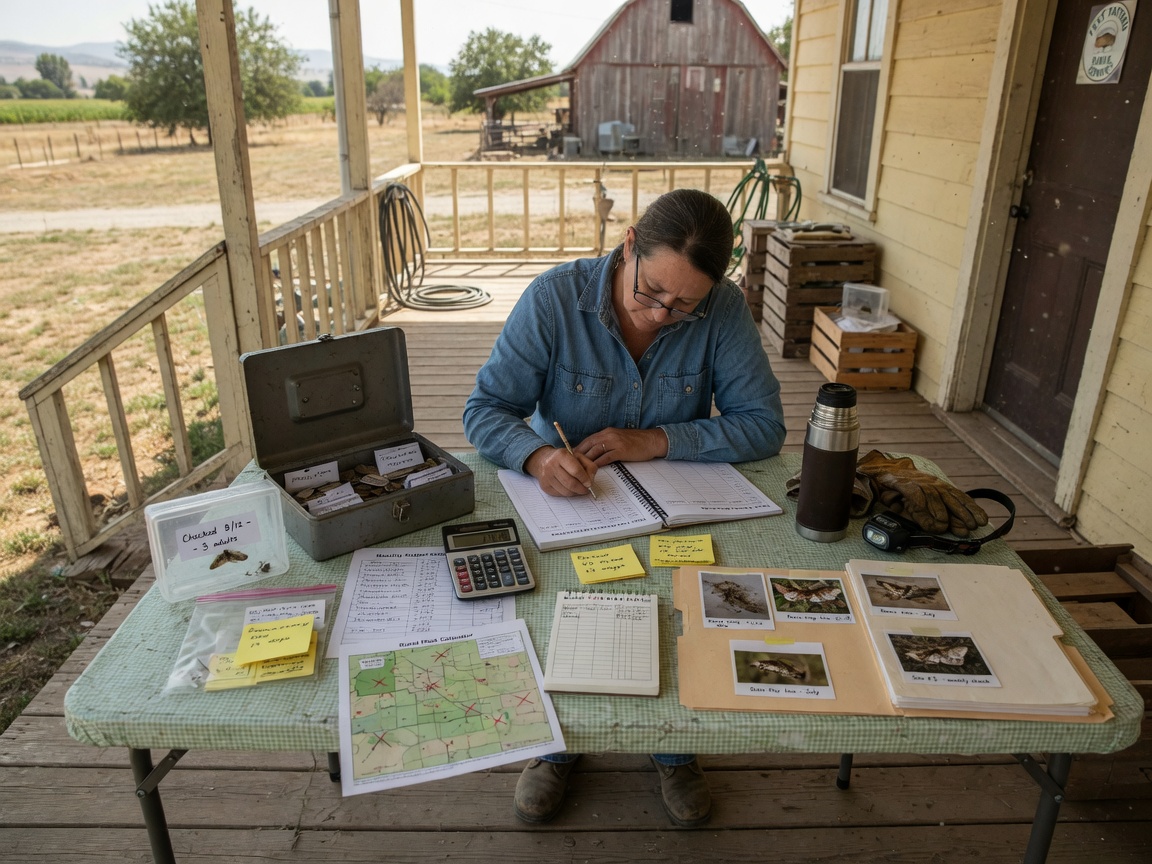
Budgeting For Ongoing Pest Monitoring In Rural Settings
Rural properties in Galt face distinct pest pressures from hot dry summers and cool wet winters. Planning a monitoring budget starts with understanding how these patterns and older housing stock affect service frequency and scope.