2026-09-03 · Chris Morales
Preparing Attics For Cooler Months In The Central Valley
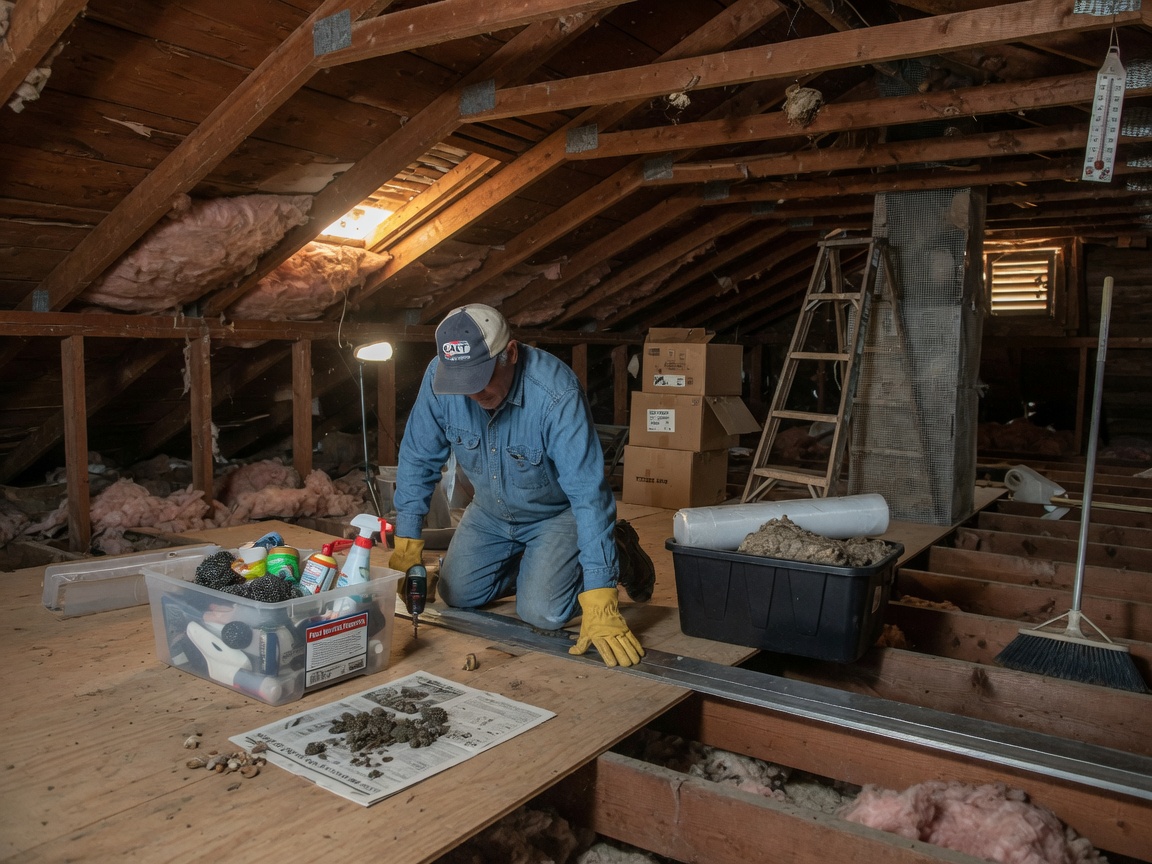
As cooler months approach the Central Valley, the most effective attic preparation in Galt involves sealing gaps larger than 1/4 inch and inspecting insulation for signs of disturbance within the first two weeks of October. This timing aligns with rodents and insects moving from outdoor forage in hot dry summers toward protected spaces once nighttime temperatures fall into the 40s. Properties near Galt Community Park and the Historic Galt Depot often feature older rooflines and vent designs that create natural pathways for wildlife once rain begins in late fall.
Checking Vents and Soffits for Gaps
Attic vents in North Galt homes built before 1990 frequently show 1/2-inch openings around pipe penetrations and soffit returns after decades of expansion and contraction. Walk the perimeter with a flashlight on a mild afternoon and mark any daylight visible from inside the attic. Replace damaged vent screens with 1/4-inch hardware cloth rather than foam, which rodents chew through in weeks. In Twin Cities tracts near Marian Park, tree limbs overhanging eaves add another vector; trimming branches within 6 feet of the roof reduces both rodent traffic and leaf accumulation that traps moisture during winter rains.
Addressing Insulation Disturbance
Once rodents enter, they compress fiberglass batts and create tunnels that reduce R-value by 30-40 percent in affected zones. Shine a light across the attic floor in early fall and note any trails or droppings concentrated near the eaves. Vacuum or remove contaminated material only after confirming the animals have left, then replace with new insulation to restore thermal performance before wet weather sets in. Homes in older Downtown Galt sections often have cellulose that holds moisture longer, increasing mold risk once winter storms arrive from the Sacramento region.
Sealing Utility Penetrations
Electrical and plumbing entries around water heaters and HVAC ducts account for most attic access points in Galt stock. Use copper mesh stuffed into gaps followed by exterior-grade caulk to block both rodents and insects. Focus on the area where the dryer vent exits, a common route in single-story homes near Elk Grove and Lodi borders. Complete this work on weekdays between 7am and 5pm when natural light allows clear inspection without temporary lighting.
Monitoring After First Rains
Cool wet winters bring increased activity as soil moisture drives insects and rodents upward. Check attic access points again two weeks after the first measurable rain and look for fresh gnaw marks or frass near the ridge. Properties in Stockton-adjacent agricultural edges see higher pressure from field mice that follow irrigation ditches into residential blocks. Consistent monitoring through November prevents larger infestations that require more extensive work once temperatures stabilize in the 50s.
Linking attic preparation to broader property maintenance helps homeowners in Galt connect seasonal tasks. Review the rodent control guidance for species common after harvest season and the tips in reducing wildlife access around outbuildings and barns that apply equally to residential eaves. These steps keep attics dry and pest-free through the transition into Central Valley winter conditions.