2026-09-03 · Chris Morales
Reducing Wildlife Access Around Outbuildings And Barns
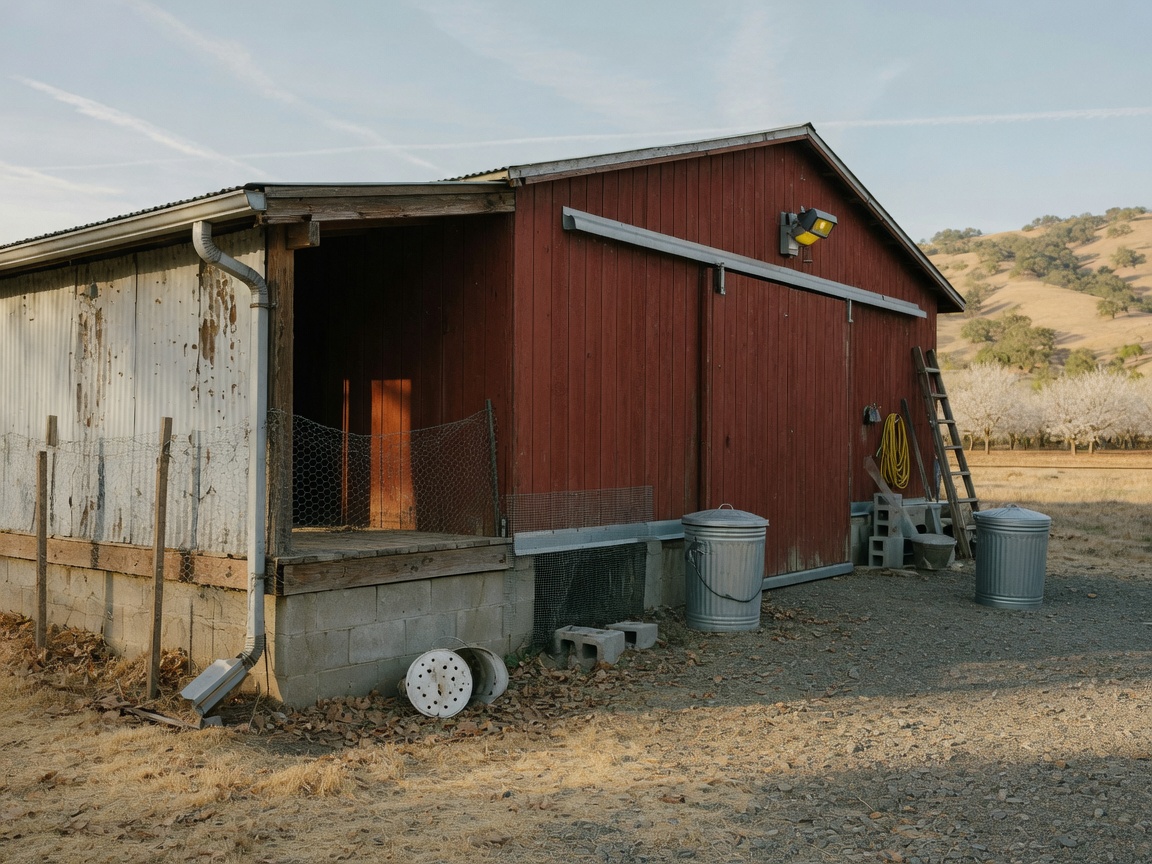
Reducing wildlife access around outbuildings and barns in Galt begins with closing every opening larger than one-quarter inch and keeping a two-foot vegetation-free zone around foundations and walls. In North Galt and near the Twin Cities, older wooden barns and metal sheds sit on soil that stays moist through winter, drawing rodents and raccoons looking for dry shelter. Hot, dry summers push the same animals toward any shaded structure with stored feed or equipment. Starting with a full walk-around inspection catches the gaps that form where siding meets concrete, around pipe penetrations, and under doors.
Assessing Structures Common to Galt Properties
Many barns and outbuildings around Downtown Galt and Marian Park were built decades ago with board-and-batten siding or corrugated metal that shifts over time. These materials create horizontal gaps at the base and vertical seams at corners that widen after summer heat expands the metal. Properties near the Historic Galt Depot often sit on slightly raised pads that still allow ground squirrels and roof rats to reach the sill plate. Walk the perimeter at dusk when animals are active; fresh droppings or rub marks on wood show the exact routes being used. Note any stored hay or grain that provides both food and nesting material inside the building.
Sealing Entry Points Around Barns and Sheds
Begin at ground level and work upward. Install 16-gauge galvanized mesh or metal flashing behind baseboards where soil meets wood, extending six inches below grade and six inches above. Replace warped door bottoms with tight-fitting sweeps that leave no more than one-eighth inch clearance. For larger openings around vents or utility entries, use one-quarter-inch hardware cloth formed into cones or collars rather than expanding foam, which wildlife can chew through within weeks. In Twin Cities area barns that store tractors, cover exhaust stacks and air intakes when equipment sits idle for more than a few days. These physical barriers last eight to twelve years when installed correctly and require only annual checks after winter storms.
Seasonal Pressures from Local Climate Patterns
Galt's cool, wet winters from November through March drive animals indoors once nighttime temperatures drop below 50 degrees and rainfall saturates open fields. During these months, focus on roofline gaps and soffit vents that allow roof rats to enter from nearby trees. Hot, dry summers from June through September reduce outdoor water sources, so wildlife concentrates around any structure that collects condensation or stores water barrels. Check and tighten all seals again in late October before the first rains and again in May after the ground dries and cracks form around foundations. This twice-yearly schedule matches the actual movement patterns seen on properties between Elk Grove and Lodi.
Connecting Exclusion Work to Ongoing Rodent Control
Physical sealing reduces the number of new animals entering, yet existing populations inside walls or under floors still need removal. Rodent control services address the animals already present while the exclusion work is completed. Readers wanting to learn how to spot the small signs before they become infestations can review how to identify rodent entry points around foundations. Combining both approaches keeps the interior of barns and sheds free of nesting material and droppings throughout the year.
Maintenance Steps That Protect the Investment
Schedule a full inspection every spring and fall. Trim tree branches so they stay at least six feet from roof edges, and remove ivy or climbing vines from walls. Store feed in sealed metal containers rather than bags on pallets. Replace any damaged mesh or flashing immediately rather than waiting for the next season. These steps, performed consistently, keep wildlife pressure low on Galt properties without repeated service calls. Alpha Omega Integrated Pest Management is available Monday through Friday from 7am to 5pm to answer questions about specific structures.