
2026-10-28 · Sam Torres
Handling Seasonal Cricket Invasions In Fall
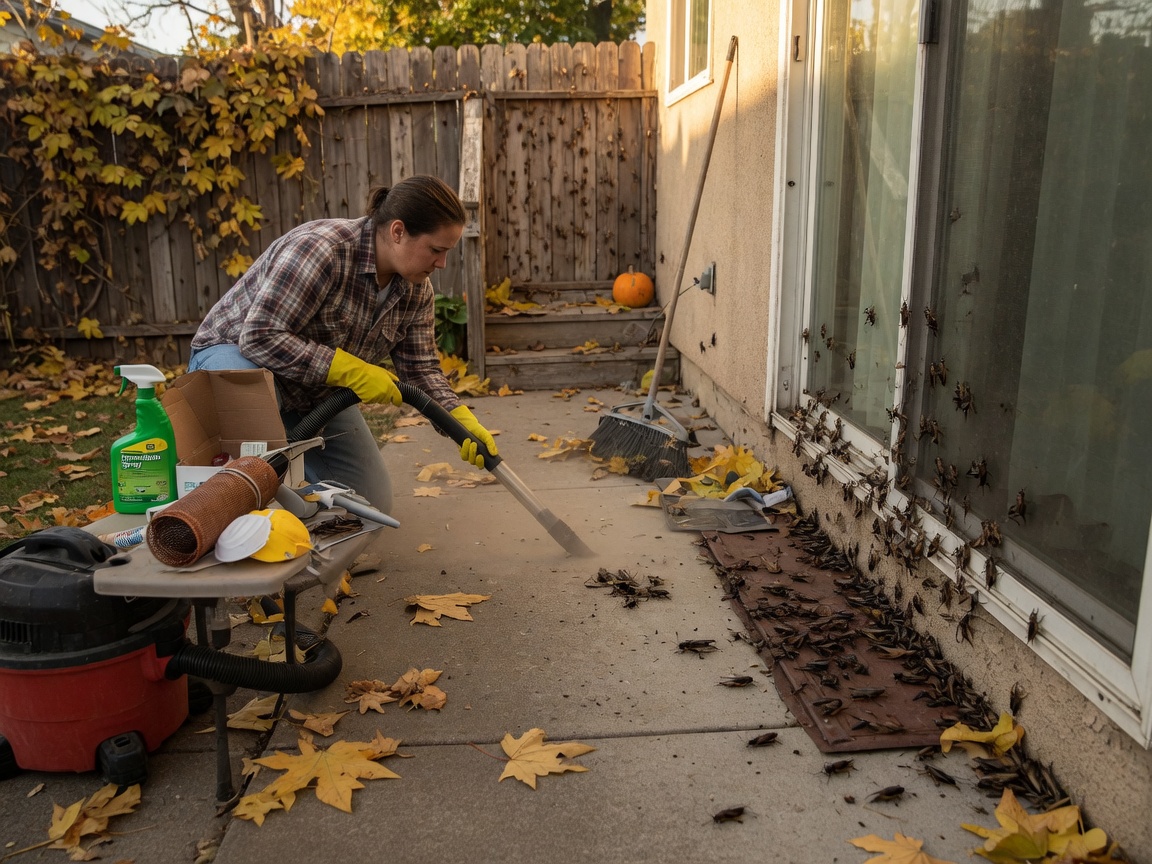
Field crickets begin entering homes in Galt once nighttime lows fall below 60 degrees in October. The shift from hot dry summers to cool wet winters drives them toward shelter in older single-family houses found in Downtown Galt and North Galt. Sealing exterior gaps combined with moisture control around foundations stops most invasions within two to three weeks when started early.
Why Crickets Target Galt Properties Each Fall
Cool wet winters create the exact conditions that push field crickets indoors across Sacramento County. After months of hot dry summers, the first rains soften soil around homes in Twin Cities and near Galt Community Park, allowing crickets to move from fields toward building foundations. Older homes with crawl spaces and wooden siding common in these neighborhoods offer easy entry through gaps around pipes, vents, and door thresholds. Crickets seek warmth and moisture once outdoor temperatures drop, often gathering on south-facing walls before slipping inside. Properties near the Historic Galt Depot or Marian Park see similar patterns because irrigation runoff and leaf litter hold humidity close to structures. Reducing standing water and trimming vegetation within two feet of foundations cuts the attractants that draw them in.
Common Entry Points Around Local Homes
Examine the perimeter of homes in North Galt and Downtown Galt for gaps larger than one-eighth inch. Crickets exploit openings around dryer vents, hose bibs, and utility lines that run through stucco or wood siding typical of homes built before 1980. Check weather stripping on exterior doors and screens on crawl space vents, as these frequently fail after years of exposure to wet winters. In areas near Galt Community Park, fallen leaves collect against foundations and create hiding spots that funnel crickets toward the house. Walk the property at dusk when activity peaks and note any areas where crickets cluster on walls. Addressing these spots first prevents the majority from reaching interior spaces.
Moisture and Landscape Adjustments That Reduce Pressure
Excess irrigation near foundations draws crickets because they need water to survive the transition into cooler months. Adjust sprinkler heads so they do not spray siding or create puddles within three feet of the house, especially in Twin Cities neighborhoods where soil stays damp longer after winter rains. Clear leaf litter and tall grass along property lines near the Historic Galt Depot to remove daytime cover. How irrigation practices influence pest pressure on properties explains how small changes in watering schedules affect multiple pests that share the same habitat as crickets. Store firewood off the ground and away from walls to eliminate another common shelter site.
When Professional Help Becomes Necessary
If crickets continue entering after basic sealing and moisture fixes, contact Alpha Omega Pest Management at the Galt office during business hours Monday through Friday from 7am to 5pm. Technicians inspect for hidden entry points around older foundations that homeowners often miss and apply targeted treatments to exterior perimeters without affecting indoor air quality. Seasonal ant activity patterns in the Delta region shows how overlapping pest cycles in Sacramento County require coordinated approaches that address multiple species at once. Early intervention in October keeps populations from building through November when wet weather keeps them active longer.